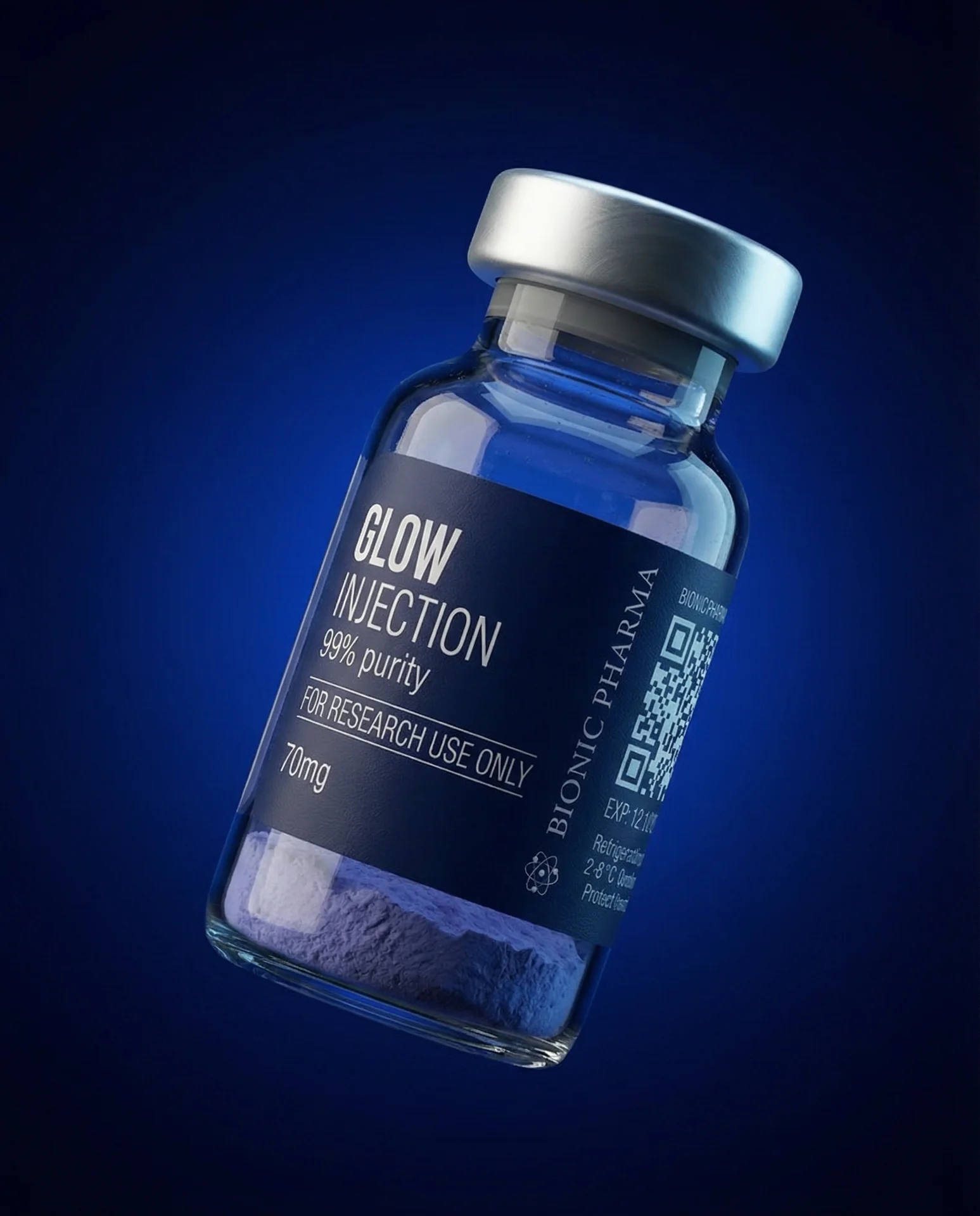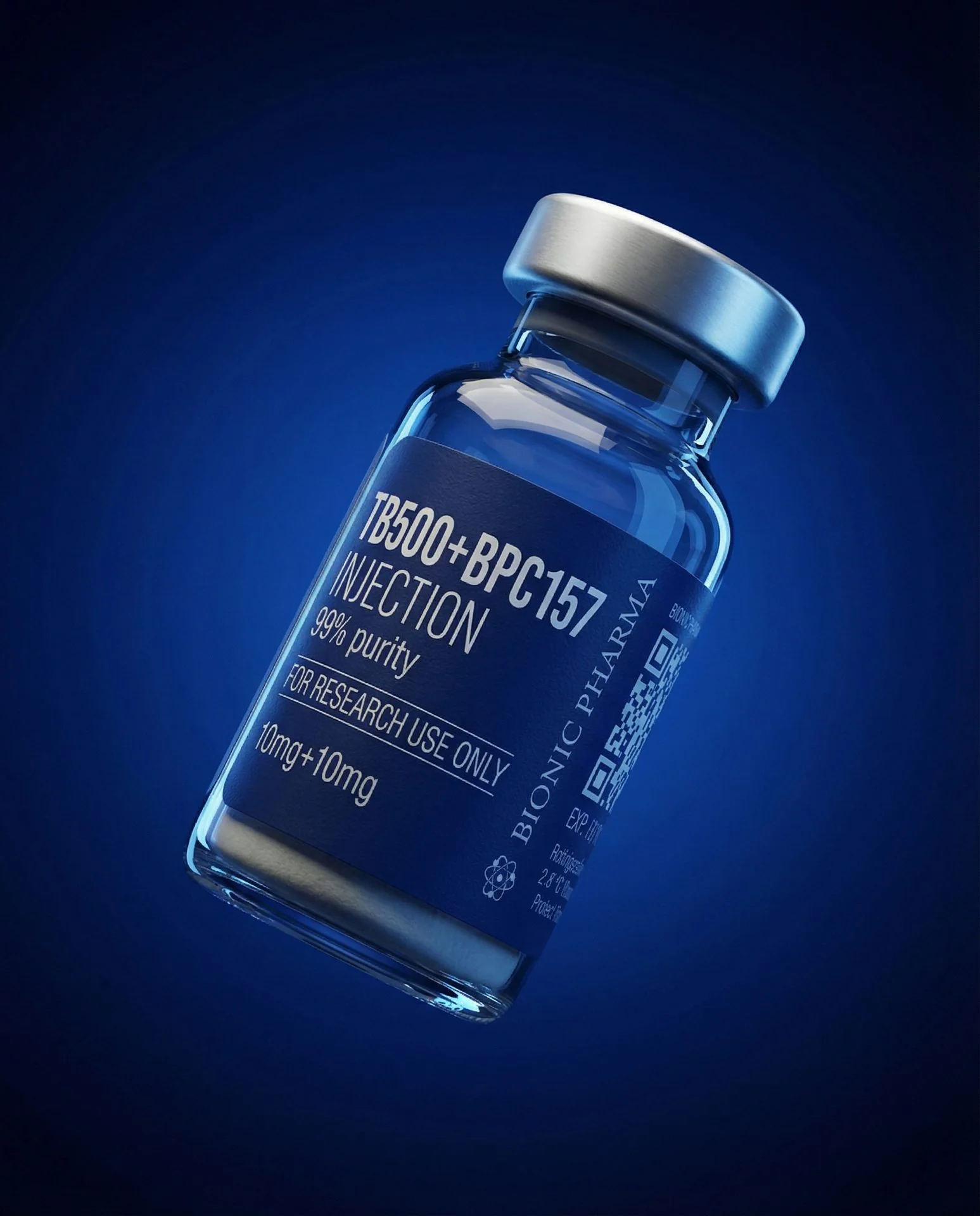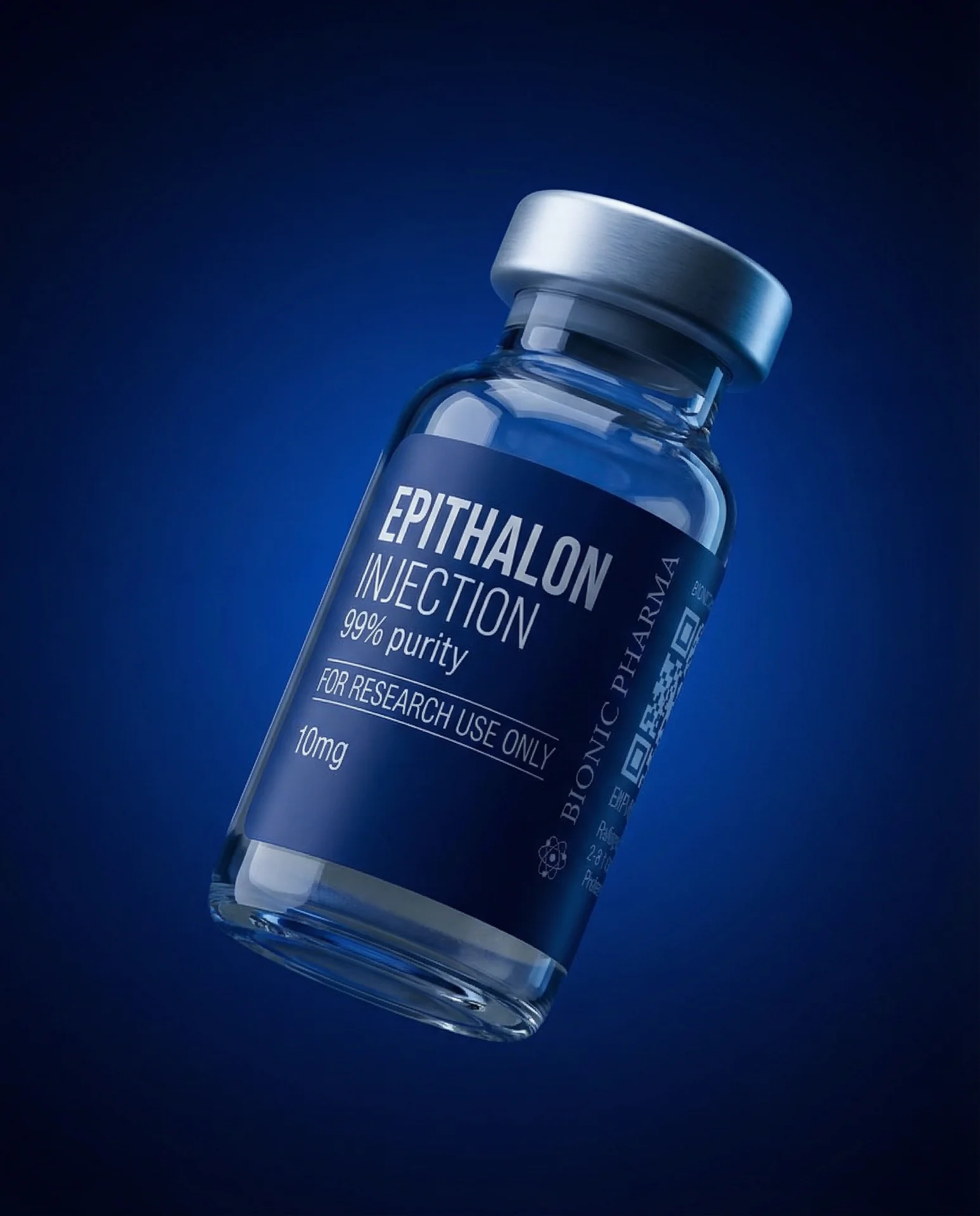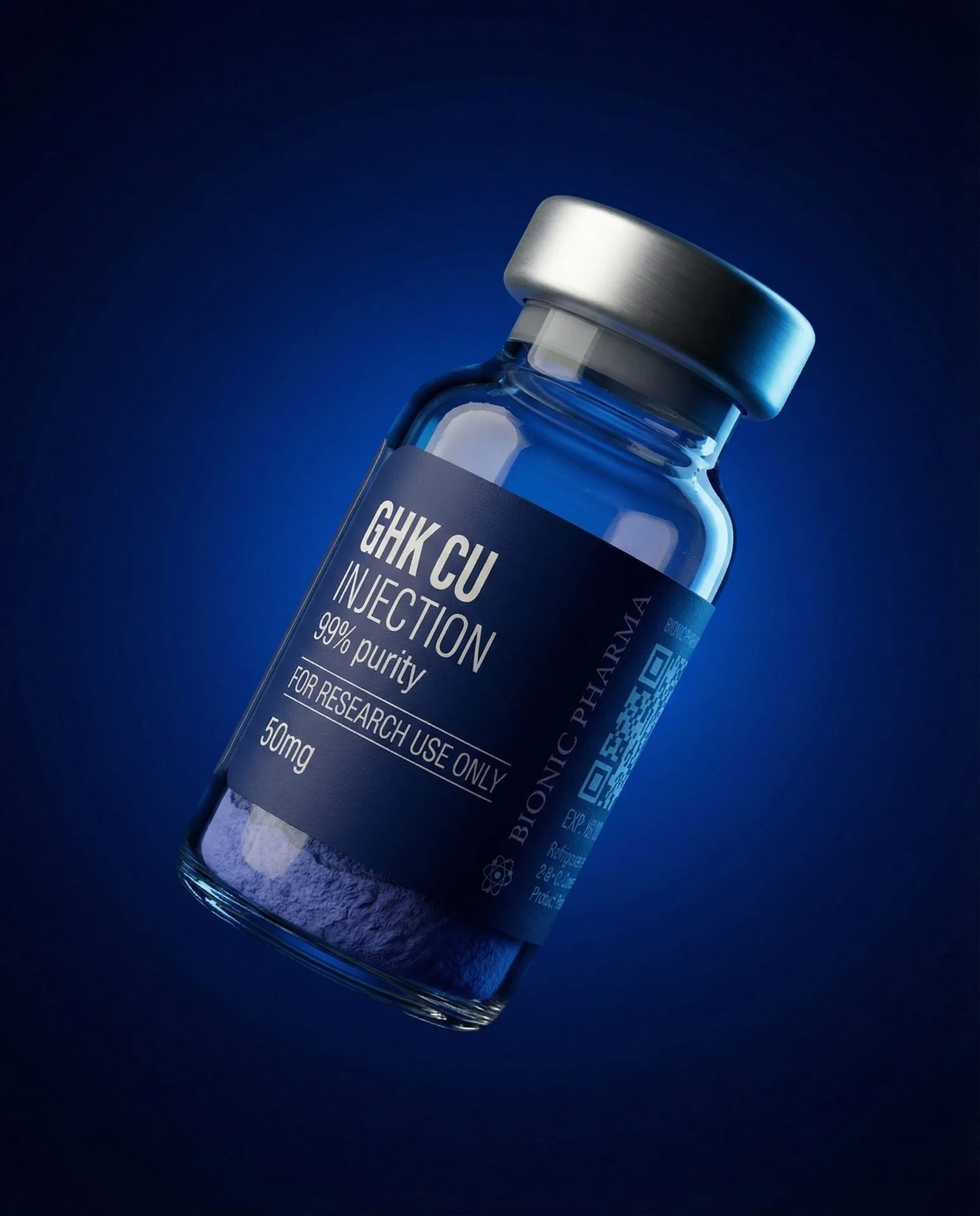
GHK-Cu is a tripeptide (glycyl-L-histidyl-L-lysine) bound to a copper atom that occurs naturally in human plasma and declines with age. It acts as a tissue-repair signal, modulating the expression of more than 4000 genes related to wound healing, collagen remodeling, antioxidation and regeneration. The blue-purple color of the powder is characteristic and confirms the integrity of the copper complex.
| Target dose | Units | Volume |
|---|---|---|
| 1 mg (low) | 6 IU | 0.06 mL |
| 2 mg (standard) | 12 IU | 0.12 mL |
| 3 mg (high) | 18 IU | 0.18 mL |
| Dosis objetivo | Unidades | Volumen |
|---|---|---|
| 1 mg (baja) | 6 UI | 0,06 mL |
| 2 mg (estándar) | 12 UI | 0,12 mL |
| 3 mg (alta) | 18 UI | 0,18 mL |
| Dose cible | Unités | Volume |
|---|---|---|
| 1 mg (faible) | 6 UI | 0,06 mL |
| 2 mg (standard) | 12 UI | 0,12 mL |
| 3 mg (élevée) | 18 UI | 0,18 mL |
GHK-Cu is a copper-bound tripeptide (glycyl-L-histidyl-L-lysine) found naturally in human plasma that declines with age and is studied as a tissue-repair signal modulating over 4000 genes. The characteristic blue-purple color of the powder reflects the copper complex and is used to confirm its integrity. It is supplied strictly for in-vitro and laboratory research.
In published handling protocols, 50 mg is reconstituted in 3 mL of bacteriostatic water injected slowly down the vial wall, yielding 16.66 mg/mL (≈ 166.6 mcg per IU). The solution should not be shaken but swirled gently for 30–60 seconds until the blue-purple powder forms a translucent blue solution. These are laboratory measurement parameters, not a human dosing recommendation.
Water should only be chilled for 3 minutes before reconstitution because very cold water can freeze the peptide, reduce its effect or damage it. Likewise, the loaded dose is warmed for about 2–3 minutes in the hand before application because cold intensifies the burning sensation associated with the copper. These steps protect compound integrity in research handling.
In research design it is frequently paired with BPC-157 and TB-500 (the Glow blend) to investigate aesthetic and regenerative synergy. Typical study cycles run 4–8 weeks with a 2-week rest, and it may be applied subcutaneously or topically formulated at 2–5%. Any such pairing is an experimental design choice for controlled laboratory research only and is not a human-use recommendation.