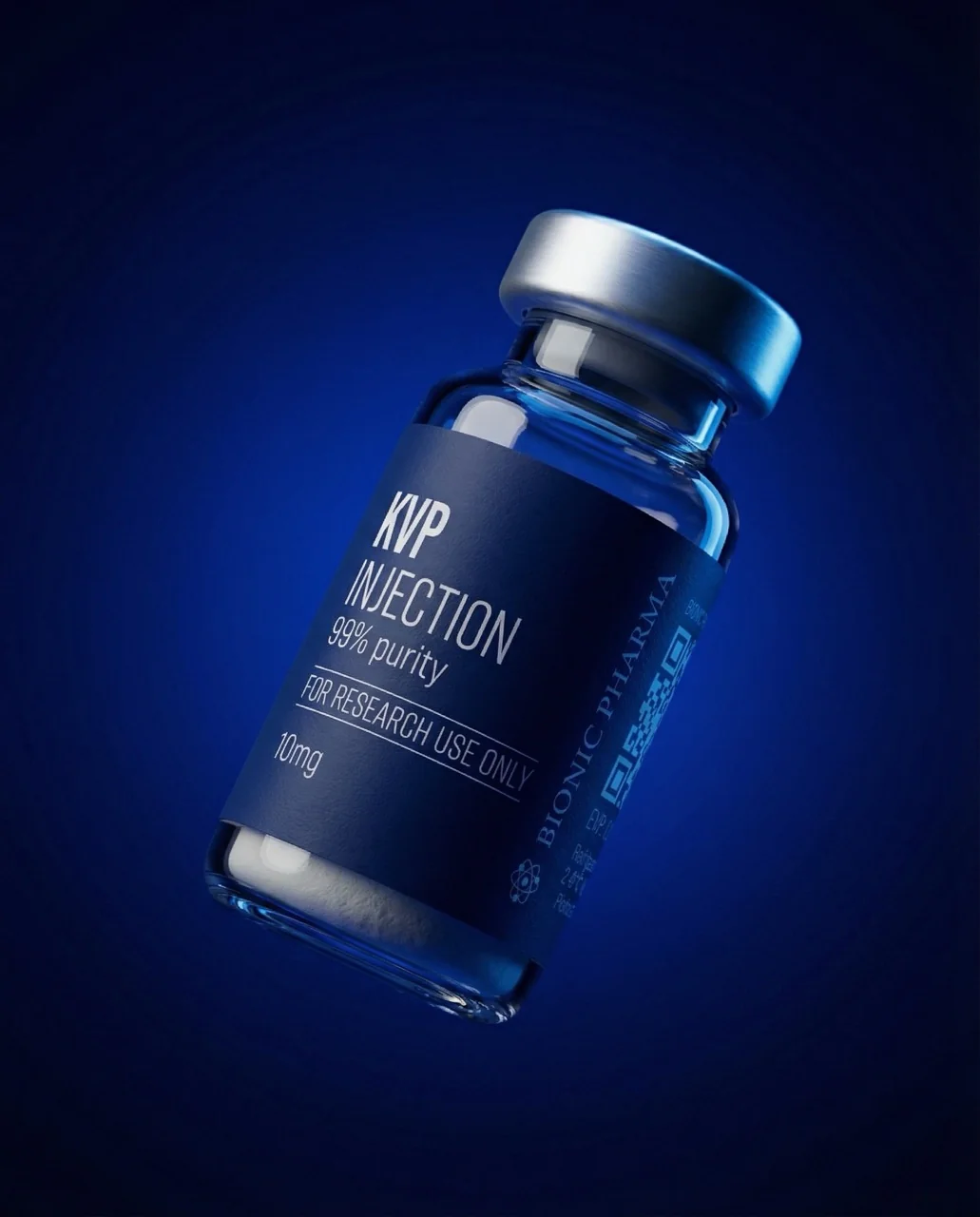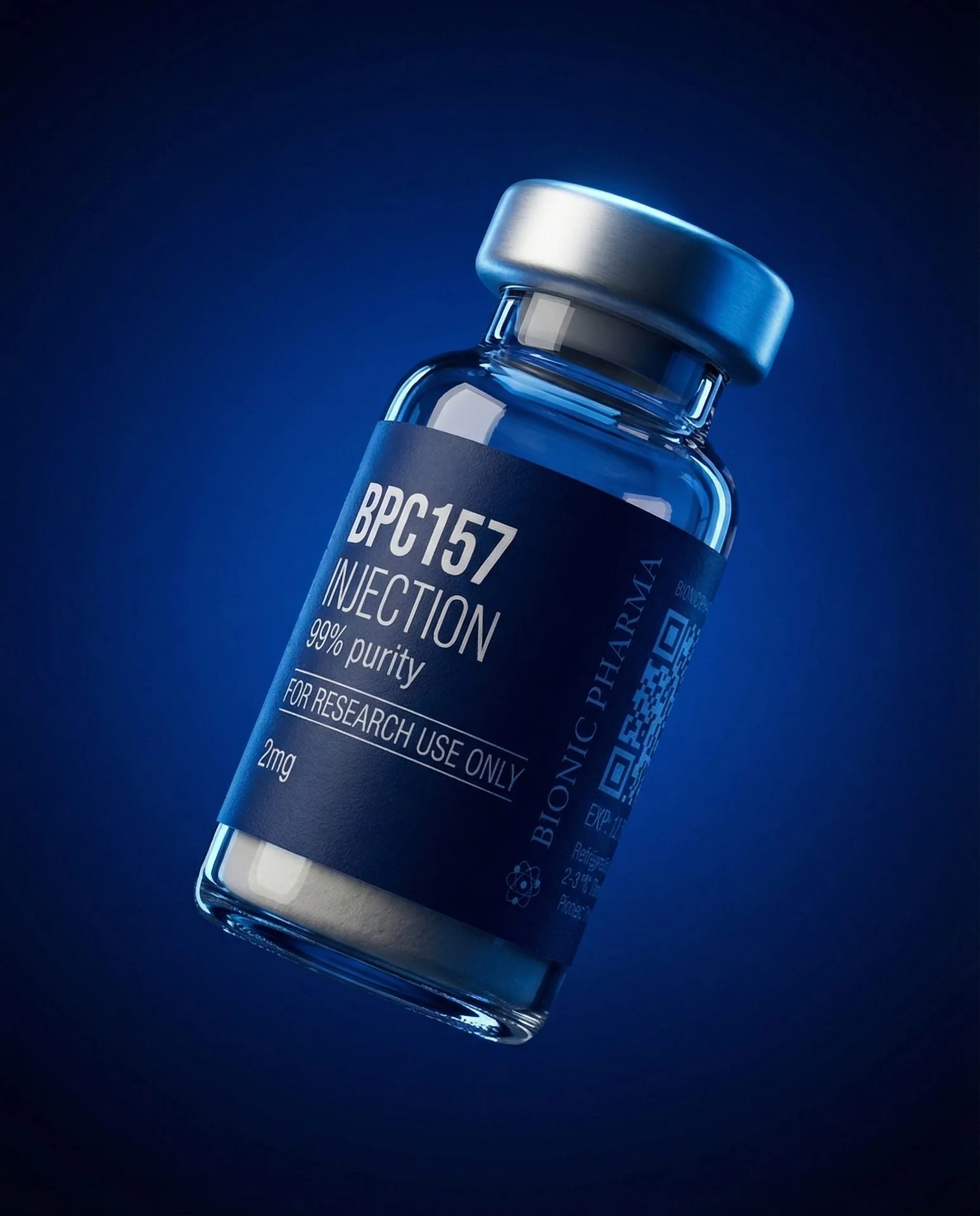
BPC-157 (Body Protection Compound) is a 15-amino-acid peptide derived from a protective protein found in human gastric juice. It works as a systemic repair signal: it accelerates the healing of soft tissues, protects the digestive tract, and modulates inflammation without suppressing the immune system. Its core mechanism is the promotion of angiogenesis (the formation of new blood vessels) and the regulation of growth factors such as VEGF and nitric oxide.
| Target dose | Units | Volume |
|---|---|---|
| 100 mcg (low) | 10 IU | 0.10 mL |
| 250 mcg (standard) | 25 IU | 0.25 mL |
| 500 mcg (high) | 50 IU | 0.50 mL |
| Dosis objetivo | Unidades | Volumen |
|---|---|---|
| 100 mcg (baja) | 10 UI | 0,10 mL |
| 250 mcg (estándar) | 25 UI | 0,25 mL |
| 500 mcg (alta) | 50 UI | 0,50 mL |
| Dose cible | Unités | Volume |
|---|---|---|
| 100 mcg (faible) | 10 UI | 0,10 mL |
| 250 mcg (standard) | 25 UI | 0,25 mL |
| 500 mcg (élevée) | 50 UI | 0,50 mL |
BPC-157 (Body Protection Compound) is a 15-amino-acid peptide derived from a protective protein found in human gastric juice. In research it is studied as a systemic repair signal, with reported effects on soft-tissue healing, gastrointestinal protection, and inflammation modulation. This material is supplied strictly for laboratory and research use.
Study models attribute its core activity to the promotion of angiogenesis — the formation of new blood vessels — alongside the regulation of growth factors such as VEGF and the nitric oxide pathway. This profile is associated with accelerated soft-tissue repair and with inflammation modulation that does not suppress the immune system. These descriptions reflect the literature and are not human-use claims.
Reconstituting 2 mg in 2 mL of bacteriostatic water yields 1 mg/mL, which equals 10 mcg per IU on a U-100 insulin syringe. By the universal formula IU = (dose in mcg ÷ 10), a 100 mcg target equals 10 IU (0.10 mL), 250 mcg equals 25 IU (0.25 mL), and 500 mcg equals 50 IU (0.50 mL). Once reconstituted, label the vial and store it at 2–8 °C, where it is stable for 28 days.
In documented protocols BPC-157 is administered subcutaneously — either in the abdomen, about 5 cm from the navel, or near the area of interest for a local effect — once daily, often on an empty stomach or before sleep. Typical study windows run 4–8 weeks followed by a 2–4 week break, with rotation of the injection site each application. These parameters describe research handling only and are not human-use instructions.